CAPABILITIES
AI-Powered Services Built for Healthcare
Nine years of healthcare IT — from PACS engineering and AI model development to 24/7 managed support. Every service is purpose-built for the clinical environment.
SERVICES
Eight Core Capabilities
One Healthcare Focus
We don’t bolt healthcare onto a general-purpose stack. Every capability below was developed through years of working inside the clinical environment — on the products clinicians and patients depend on every day.
Compliant with
ISO 13485
ISO 27001
IEC 62304
DICOM
HL7/FHIR
HIPAA
GDPR

PRODUCT ENGINEERING
Full-Stack Engineering
for Clinical Systems
Global Platform Delivery
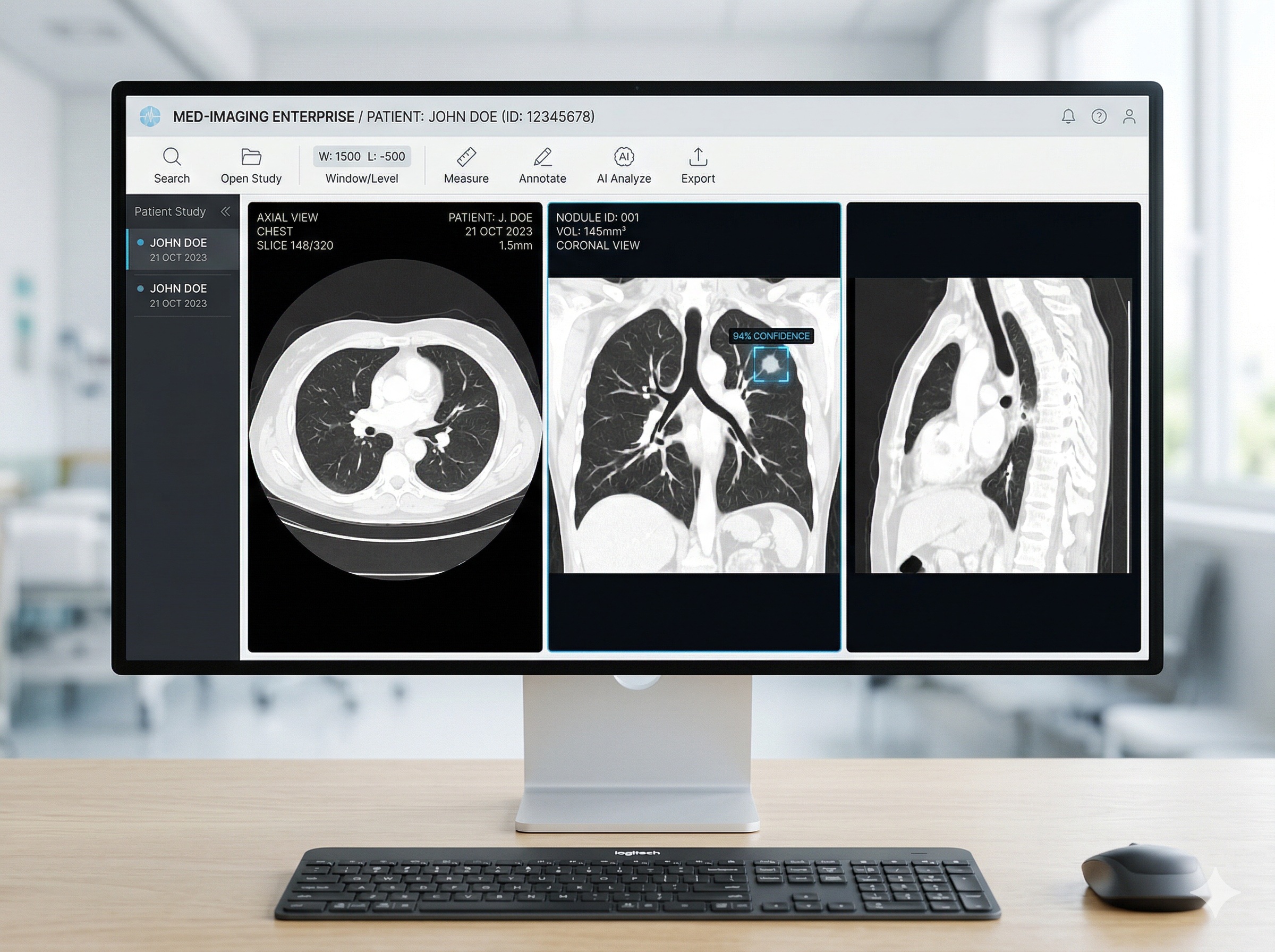
Fujifilm enterprise viewer, Cloud PACS, and cardiology platforms delivered across the US, Japan, and India.
Why it matters
Ship on schedule without compliance debt — the audit trail your submission needs is built into how we engineer, not reconstructed before review.
- Build and sustain enterprise healthcare platforms across HIS, EMR, RIS, PACS, VNA, and imaging workflows.
- Engineer with lifecycle discipline, traceability, and design controls aligned to ISO 13485 and IEC 62304.
- Extend live clinical products through feature development, modernization, and long-term sustaining engineering.
ADVANCED IMAGING & VISUALIZATION
Deep Expertise in
Medical Image Engineering
Imaging Platform Depth
15+ imaging platform engagements spanning radiology, cardiology, Cloud PACS, and VNA ecosystems.
Why it matters
Skip the year of domain onboarding: engineers who already know DICOM’s edge cases deliver imaging features from their first sprint.
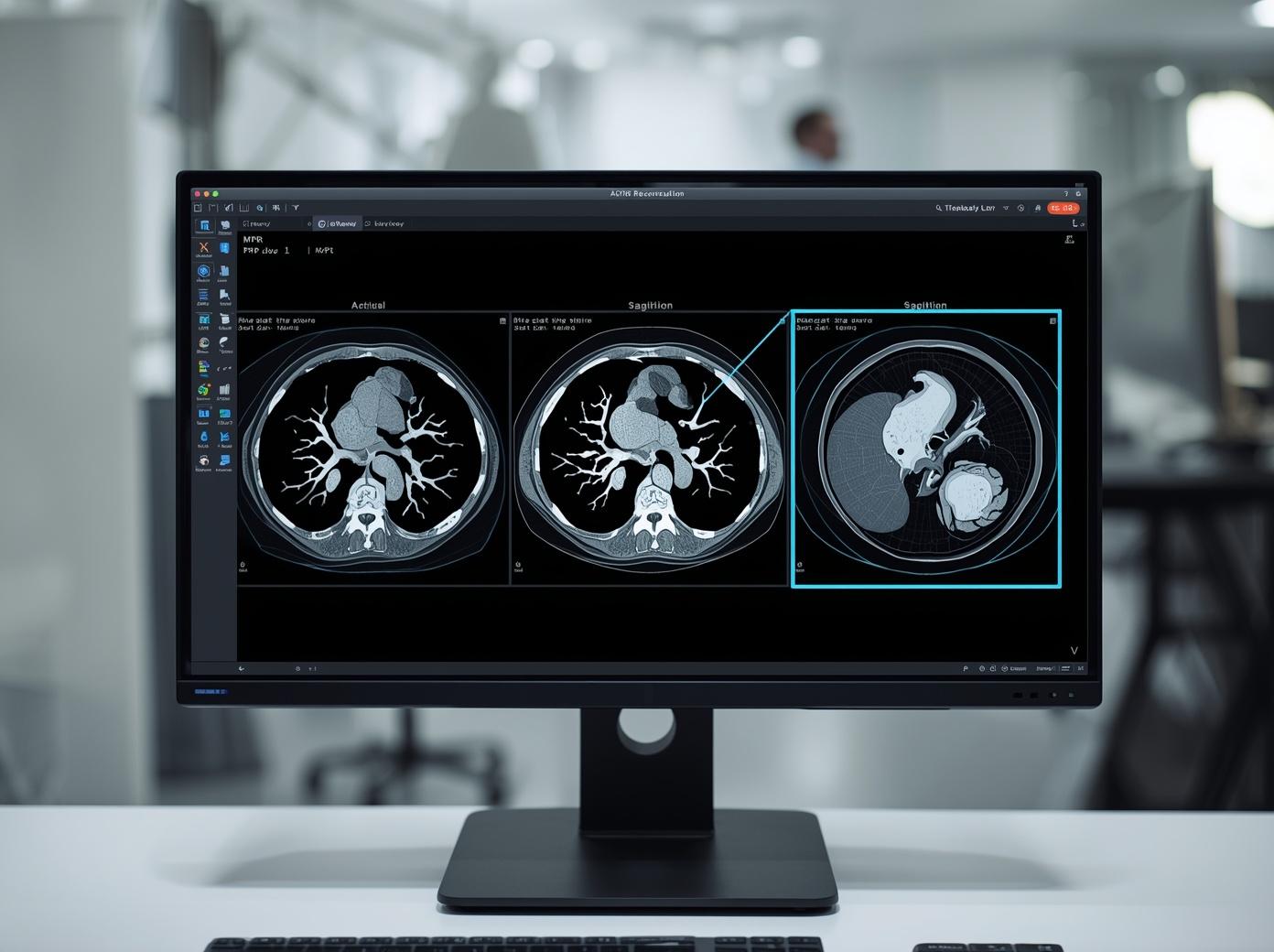
- Develop DICOM and IHE-compliant viewers for radiology, cardiology, Cloud PACS, and enterprise imaging environments.
- Build advanced visualization features including MIP, MPR, multi-planar reconstruction, 3D rendering, and multi-modality workflows.
- Extend imaging products with enhancement, processing, and region-specific clinical capabilities.
AI & MACHINE LEARNING
AI Models Built
for Clinical Validation
Clinical AI Experience
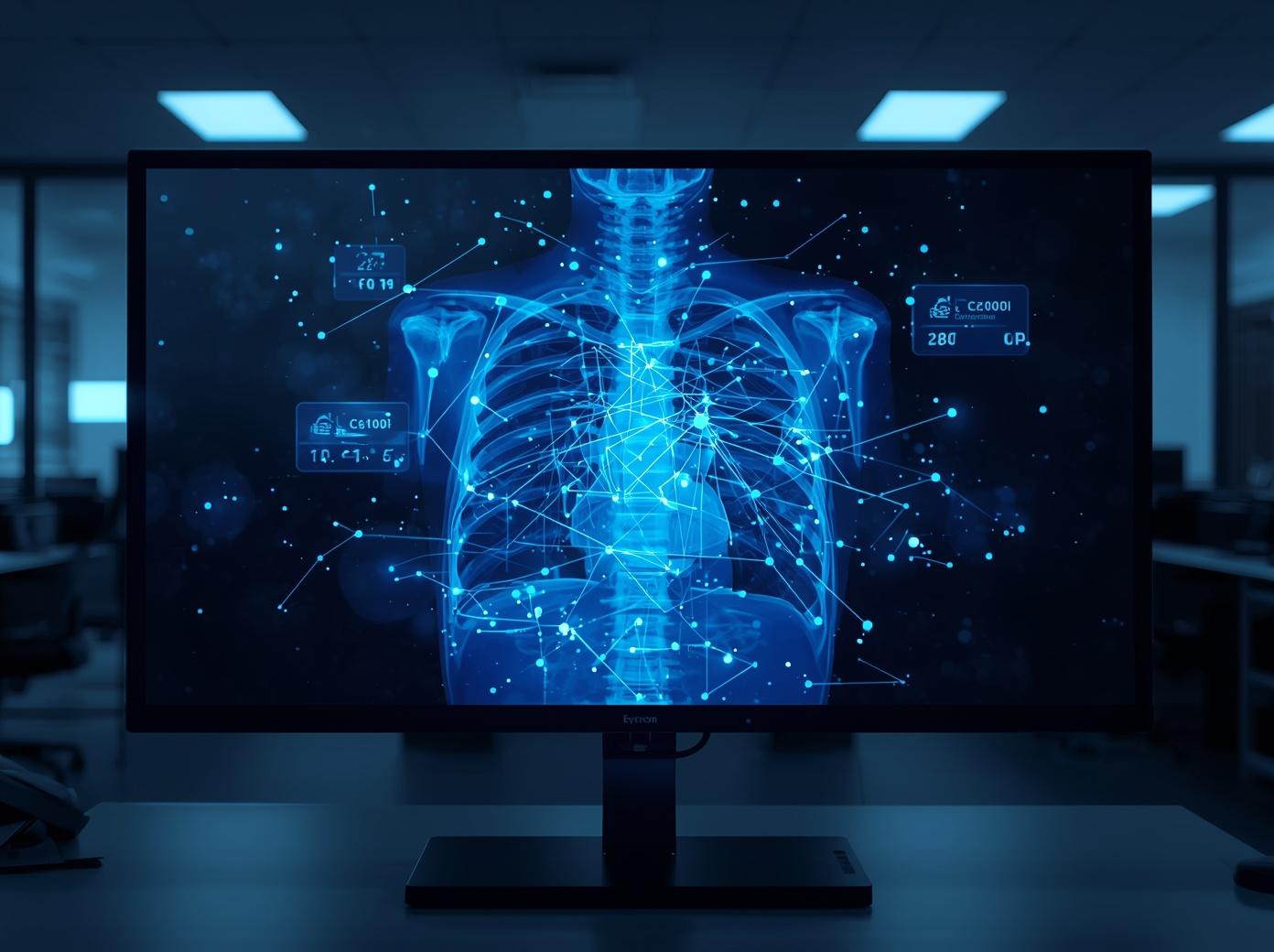
Mammography cancer detection and TB detection initiatives delivered with NITK India.
Why it matters
Shorten the distance from model to production — AI designed for validation from day one clears regulatory review and reaches clinicians faster.
- Build AI pipelines from dataset preparation and annotation through training, validation, and production deployment.
- Integrate inference and AI-assisted workflows into existing clinical viewers and healthcare platforms.
- Deliver clinical AI features such as overlays, structured outputs, and decision-support enhancements.
HOW WE DELIVER
Discover. Engineer. Validate. Sustain.
A delivery model for regulated healthcare software.
Discover
Align workflows, risks, and requirements.
Engineer
Build platforms and integrations for safety and scale.
Validate
Verify, trace, and test for clinical readiness.
Sustain
Support production with stewardship and continuity.
CLOUD & INFRASTRUCTURE
Healthcare-Grade
Cloud Architecture
Cloud PACS Experience
Healthcare-grade cloud architecture applied to Fujifilm’s Cloud PACS platform.
Why it matters
Keep cloud spend predictable at imaging scale: architecture tuned for large datasets stops storage and egress costs from eroding margins.
- Design HIPAA-ready cloud environments across Azure, AWS, GCP, and hybrid-cloud healthcare workloads.
- Modernize PACS, VNA, and legacy clinical systems for cloud-native deployment and scale.
- Build DevSecOps pipelines, operational controls, and runbooks for resilient clinical operations.


QA & MANAGED SUPPORT
Verification, Validation,
and 24/7 Clinical Support
Regulated Validation Delivery
Verification and validation support delivered across enterprise PACS and VNA platforms with IEC 62304-aligned discipline.
Why it matters
Release with fewer field escapes — automated regression and disciplined V&V cut submission risk and lifetime support cost together.
- Deliver verification and validation for regulated healthcare software with traceability, test planning, and release confidence.
- Build automated regression coverage using Selenium, Playwright, and CI-integrated test workflows.
- Provide 24/7 managed support with SLA-driven L1, L2, and L3 coverage for live clinical systems.
MOBILE & PATIENT PLATFORMS
Connected Healthcare
for Patients and Clinicians
International Product Delivery
Patient and care-platform engineering delivered for m.Doc Germany and Resilink Australia.
Why it matters
Reach patients sooner: apps built to HIPAA, GDPR, and store medical-app rules the first time avoid the rejection-and-resubmission spiral.
- Build mobile healthcare products for iOS, Android, React Native, and Flutter environments.
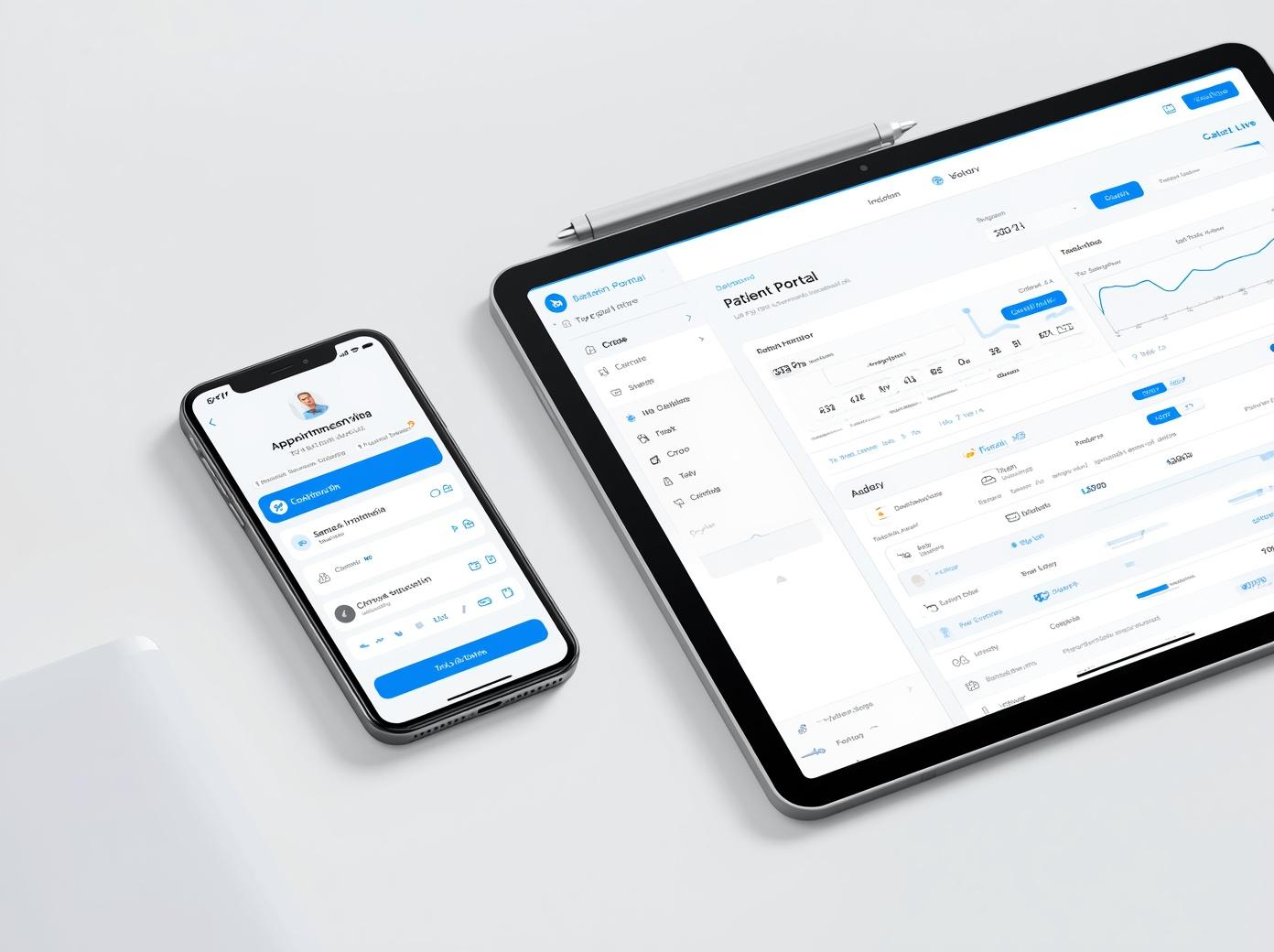
- Create patient portals, self-service workflows, and care engagement experiences for real-world healthcare use.
- Connect mobile journeys to HIS, EMR, and scheduling systems through HL7 FHIR-based integrations.
MEDICAL DATA ANNOTATION
Clinically Validated
Training Data for AI
AI Pipeline Readiness
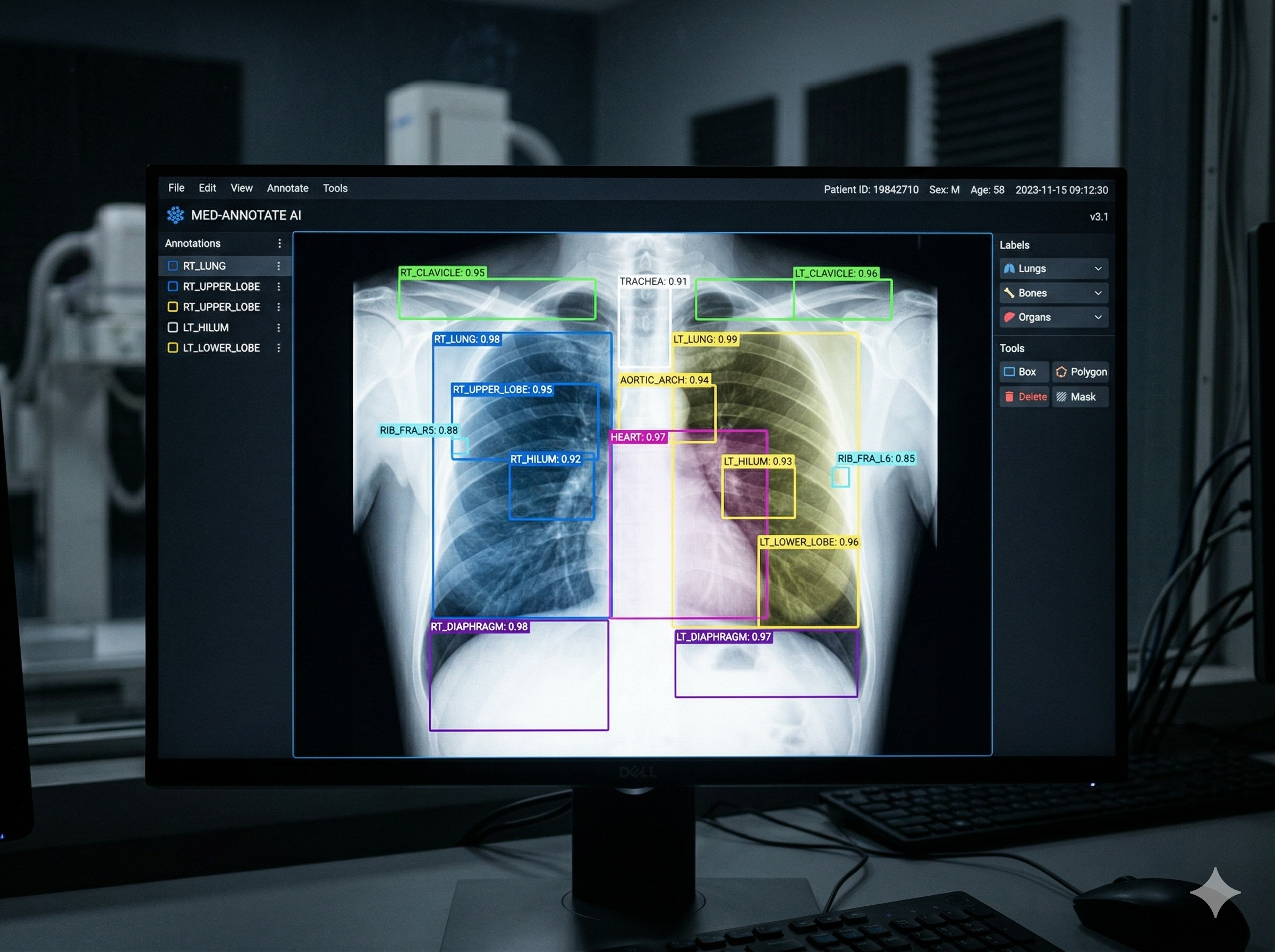
Annotation workflows designed to plug directly into regulated healthcare AI development pipelines.
Why it matters
Buy back your clinical experts’ time — production-ready, validated datasets without standing up an annotation operation in-house.
- Annotate medical imaging datasets across X-ray, CT, MRI, mammography, and pathology use cases.
- Run secure, audit-ready workflows with compliance-aware handling for sensitive healthcare data.
- Produce structured datasets for model training, benchmarking, and submission-oriented validation programs.
HEALTHCARE INTEGRATIONS
Clinical Systems,
Connected
Integration Delivery Experience
HL7 and FHIR integration delivered across HIS, EMR, RIS, and PACS platforms — spanning inpatient and outpatient environments.
Why it matters
Win enterprise deals faster: clean HL7/FHIR interoperability shortens hospital procurement, deployment, and go-live cycles.
- Connect HIS, EMR, RIS, and PACS platforms through HL7 v2 and FHIR R4 — enabling seamless data flow across the care pathway.
- Design and implement custom API and middleware integrations between clinical systems, third-party devices, portals, and partner platforms.
- Support integration testing, conformance validation, and go-live monitoring to ensure reliable, standards-compliant interoperability.
FAQ
Frequently Asked Questions
What healthcare software services does NKORR provide?
NKORR delivers eight core capabilities: product engineering for clinical systems, advanced medical imaging (PACS/VNA), AI and machine learning, cloud and infrastructure, QA and managed support, mobile and patient platforms, medical data annotation, and healthcare systems integration (HL7/FHIR).
Does NKORR build software that meets medical device regulatory standards?
Yes. Our product engineering follows lifecycle discipline, traceability, and design controls aligned to ISO 13485 and IEC 62304, and our QA practice provides verification and validation support with the same regulatory rigor.
What imaging standards and platforms does NKORR work with?
We build DICOM- and IHE-compliant viewers, PACS and VNA platforms, and advanced visualization features such as 3D/4D MPR, MIP, and volume rendering, with 15+ imaging platform engagements across radiology, cardiology, Cloud PACS, and VNA ecosystems.
Can NKORR integrate with our existing HIS, EMR, or RIS systems?
Yes — we connect HIS, EMR, RIS, and PACS platforms through HL7 v2 and FHIR R4, and design custom API and middleware integrations between clinical systems, devices, portals, and partner platforms.
Does NKORR provide support after a system goes live?
Yes. Our QA & Managed Support service includes SLA-driven L1, L2, and L3 coverage for live clinical systems, alongside automated regression testing.
What cloud platforms does NKORR support?
We design HIPAA-ready cloud environments across Azure, AWS, GCP, and hybrid-cloud healthcare workloads — this architecture has been applied to Fujifilm’s Cloud PACS platform.